DBT in Drug Addiction Treatment: A Service Offered at Recreate Ohio
Drug addiction treatment often begins with a simple, urgent goal: help a person stop using safely and stabilize enough to think clearly about what comes next. That first goal matters. Detoxification, residential care, outpatient treatment, medication-assisted treatment, and recovery housing all have a place in a responsible continuum of care. Ohio law recognizes this need for a community-based continuum for opioid and co-occurring drug addiction, including detoxification, outpatient services, medication-assisted treatment, peer support, residential services, recovery housing, and multiple pathways to recovery.
Yet anyone who has worked closely with addiction recovery knows that stopping drug use is not the same as building a life that can hold recovery. People do not relapse only because substances are physically addictive. They relapse because grief shows up at 10 p.m., because shame becomes unbearable, because a conflict with a partner sparks panic, because loneliness starts to feel like a command. They relapse because their nervous system has learned that drugs are the fastest way to change how they feel.
Dialectical behavior therapy, commonly called DBT, speaks directly to that problem. It gives people practical skills for surviving emotional storms without making them worse. In drug addiction treatment, that can be the difference between a craving that passes and a craving that turns into a return to use.
Recreate Behavioral Health of Ohio, also known as Recreate Ohio, is located in Gahanna, just outside Columbus. The facility says it offers detox, residential or inpatient rehab, and outpatient treatment, along with a full continuum of care. Recreate also says treatment may include DBT, CBT, EMDR, medication-assisted treatment, and individual, group, family, and couples therapy. Within that broader treatment environment, DBT can be a valuable part of helping people develop steadier responses to emotional distress, interpersonal conflict, and relapse triggers.
Why DBT fits the realities of drug addiction
DBT was originally developed for people who experienced intense emotional pain, chronic instability, and high-risk coping behaviors. Over time, its tools have been adapted across many clinical settings because they are concrete, teachable, and relevant to real-life pressure. For people dealing with drug addiction, that matters. Many clients arrive in treatment with years of knowing what they “should” do, but very few reliable methods for doing it when their body is flooded with distress.
A person may sincerely want recovery in the morning and feel completely overrun by craving by evening. They may understand the consequences of drug use and still feel pulled toward it after an argument, a memory, a paycheck, a text from an old contact, or a sudden wave of emptiness. DBT does not treat these reactions as moral failures. It treats them as patterns that can be observed, interrupted, and replaced with skills.
The word “dialectical” refers to holding two truths at once. In treatment, one common dialectic is acceptance and change. A person needs acceptance because shame can shut down learning. They also need change because addiction is dangerous and can dismantle health, relationships, employment, parenting, finances, and legal stability. DBT works in that tension. It teaches people to say, “This is where I am,” without using that statement as permission to stay there.
That balance is especially important in drug addiction treatment. A purely confrontational approach can push some people deeper into defensiveness. A purely accepting approach can become too soft around behaviors that carry real risk. DBT aims for a more useful middle ground. It validates the pain and still asks for accountability. It recognizes why a behavior made sense at one time, then asks whether it is still worth the cost.
What DBT skills look like in treatment
DBT is not just a conversation about feelings. It is a skills-based therapy. Clients learn concepts, practice them, apply them between sessions, and revisit what worked or failed. In a structured treatment setting, this can happen through group therapy, individual therapy, and the daily rhythm of care. Recreate Ohio says its services may include individual, group, family, and couples therapy, which are all formats where DBT-informed work may be clinically useful when appropriate.
The four core DBT skill areas are commonly described as mindfulness, distress tolerance, emotion regulation, and interpersonal effectiveness. Each area addresses a different part of the relapse cycle. Mindfulness helps a person notice what is happening before acting on impulse. Distress tolerance helps them get through a crisis without using. Emotion regulation helps reduce vulnerability to emotional spikes. Interpersonal effectiveness helps them communicate needs, set boundaries, and repair relationships without escalating conflict.
These may sound simple on paper. In practice, they require repetition. A client who has used opioids, stimulants, benzodiazepines, alcohol, or other substances to manage internal distress may not trust that a breathing exercise, cold water, a grounding practice, or a scripted conversation can compete with the speed of a drug. Early on, the skills can feel awkward. Some people resist them. Others try them only when the craving is already at a ten out of ten, then conclude the skills “do not work.” A good clinician helps adjust expectations. DBT skills are not magic. They are tools that become more effective when practiced before the emergency.
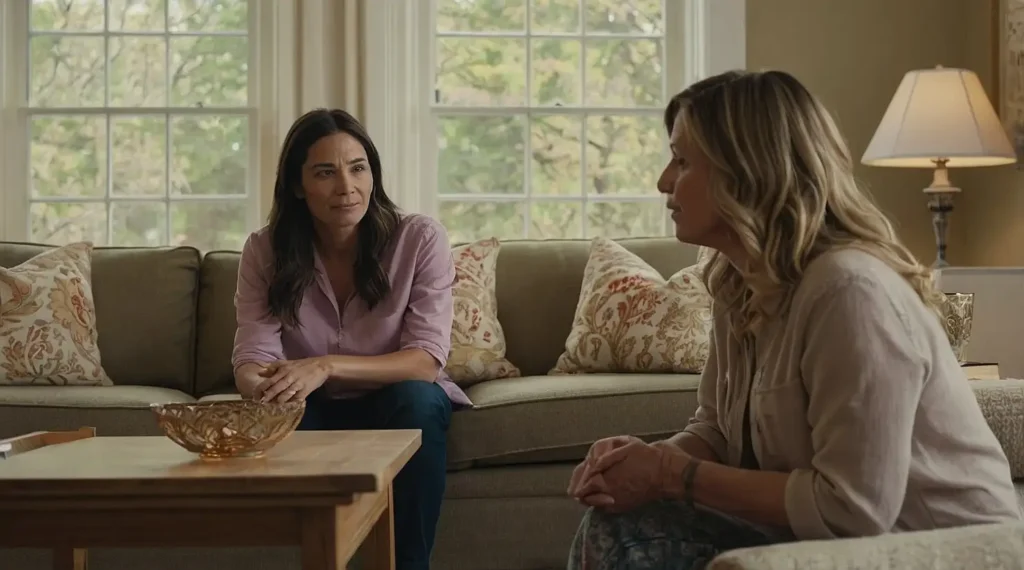
Here is a concise way to understand how DBT skills may connect to common recovery challenges:
| DBT skill area | Recovery challenge it can address | |---|---| | Mindfulness | Noticing cravings, thoughts, body sensations, and triggers before reacting | | Distress tolerance | Surviving high-risk moments without returning to drug use | | Emotion regulation | Reducing emotional vulnerability that can feed cravings | | Interpersonal effectiveness | Navigating conflict, boundaries, and repair in relationships | | Acceptance and change | Reducing shame while still taking responsibility for recovery behaviors |
A table can make the model look neat, but recovery is rarely neat. The same person may need mindfulness during a craving, distress tolerance during withdrawal discomfort, emotion regulation after a family phone call, and interpersonal effectiveness when deciding whether to answer a message from someone connected to past drug use. DBT is useful because the skills travel with the person. They are not confined to the therapy room.
DBT and the early stages of care
The earliest phase of drug addiction treatment often focuses on safety and stabilization. Recreate Ohio says it offers detox services, and detox can be a critical entry point for people who need medical support while substances leave the body. Not every person needs the same level of detoxification, and decisions about care level should be made by qualified professionals. Ohio’s broader system recognizes both ambulatory and sub-acute detoxification as part of the continuum for opioid and co-occurring drug addiction.
DBT during this stage must be realistic. A person in acute withdrawal may struggle to concentrate. Sleep may be poor. Anxiety may be high. Shame may be intense. The goal is not to deliver a complicated lesson and expect mastery. The goal is often much simpler: help the person stay present, tolerate discomfort, ask for help, and get through the next hour safely.
For example, a client who feels trapped in withdrawal discomfort might learn to identify the difference between pain, fear about pain, and the impulse to escape pain. That distinction can matter. If every uncomfortable sensation is interpreted as unbearable, the mind starts searching for immediate relief. DBT can slow the chain reaction. The client may learn to name the sensation, use paced breathing, change body temperature, talk to staff, or shift attention long enough for the intensity to drop.
This does not replace medical care. It does not replace medication when medication is clinically appropriate. Recreate says treatment at its Ohio facility may include medication-assisted treatment, and for many people with opioid use disorder or certain other substance use conditions, medication can be an important part of evidence-informed care. DBT can work alongside medication-assisted treatment by addressing the behavioral, emotional, and relational patterns that medication alone does not resolve.
Residential treatment and the practice of new behavior
Recreate Ohio says it offers residential or inpatient rehab. Residential care can give clients space away from immediate triggers and access to structured support. That separation can be powerful, but it can also create a challenge. People sometimes do better in treatment because the environment is protected. The harder test comes when they leave.
DBT can help bridge that gap by turning treatment into practice, not just reflection. A residential setting gives repeated opportunities to notice patterns in real time. A client may become angry when receiving feedback, shut down during group, feel rejected when a peer does not respond warmly, or feel anxious after a family session. These moments are not distractions from treatment. They are treatment material.
In active addiction, many people develop fast, automatic responses. They leave, lash out, manipulate, isolate, use, deny, or numb. Those responses may have protected them from pain in the short term, but they often create more damage. DBT invites a pause between feeling and action. In that pause, the client can ask, “What is the goal here?” If the goal is to stay in treatment, repair a relationship, avoid relapse, or protect custody, employment, or health, then the next behavior needs to serve that goal.
That kind of work can be uncomfortable. A person may discover that they confuse intensity with truth. They may feel abandoned without being abandoned. They may experience a craving as an emergency even when it is a wave that will rise and fall. DBT does not shame the person for those experiences. It teaches them to test the facts, choose an effective response, and build confidence through repetition.
Outpatient care and the return to real life
Recreate Ohio also says it offers outpatient treatment. Outpatient care plays a different role from residential treatment. Clients may be living at home, returning to work, managing transportation, caring for children, attending appointments, and facing familiar triggers. The treatment environment is less protected, which means skills must become more portable.
DBT can be especially useful here because outpatient recovery depends heavily on what happens between sessions. A person may be stable during a therapy appointment and then face a triggering situation three hours later. The skills need to be simple enough to remember and practical enough to use while sitting in a parked car, walking into a family gathering, receiving a stressful bill, or passing a neighborhood associated with drug use.
One client might need a plan for paycheck days because money has historically led to use. Another might need help tolerating the discomfort of cutting off contact with people who still use. Another might need a way to handle the emotional drop that comes after a court date, a custody exchange, or a difficult medical appointment. DBT Additional info offers a framework for planning around those moments rather than relying on willpower alone.
Willpower is fragile under stress. Structure is stronger. So is rehearsal. A person who has already practiced what to say, where to go, whom to call, and how to ride out a craving has a better chance than someone who waits until the crisis begins.
The link between emotional pain and relapse
Relapse prevention is sometimes presented as if triggers are mainly external: people, places, substances, money, and access. Those triggers matter. But internal triggers often carry equal force. Shame, boredom, grief, anger, anxiety, rejection, and physical discomfort can all activate craving. DBT is well suited to this internal terrain.
A common relapse chain begins with a seemingly small event. A person wakes up tired, skips breakfast, avoids a call from a sponsor or supportive family member, starts replaying a past mistake, feels shame, becomes irritable, argues with someone, storms out, and then contacts an old connection. By the time drug use happens, the person may describe it as sudden. In reality, there were many links in the chain.
DBT helps clients identify those links earlier. The purpose is not to obsess over every mistake. The purpose is to find points where the chain could be interrupted next time. Maybe the person needs better sleep habits. Maybe they need to eat before therapy. Maybe they need to answer supportive calls even when ashamed. Maybe they need to leave an argument for twenty minutes without leaving the property or driving toward a high-risk area. The solutions are often practical and specific.
This kind of analysis can be humbling. People may see how often they place themselves in danger before they consciously decide to use. They may also see that relapse is not proof that they are hopeless. It is a behavior chain. Behavior chains can be studied. New links can be added. Old links can weaken.
DBT does not stand alone
No serious drug addiction treatment program should treat one therapy model as a cure-all. DBT can be highly useful, but people often need multiple services. Recreate Ohio says treatment may include CBT, EMDR, medication-assisted treatment, and various therapy formats. It also says the Ohio facility may provide holistic supports such as yoga and mindfulness, art therapy, adventure therapy, equine therapy, Reiki, acupuncture, chiropractic care, fitness and wellness activities, and nutrition education.
The value of a broader approach is that addiction affects the whole person. Thought patterns matter, which is where CBT may help. Trauma symptoms may matter, which is where EMDR may be considered when clinically appropriate. Family dynamics may matter, which is where family or couples therapy can support communication and repair. Physical health, nutrition, movement, sleep, and stress regulation matter too. DBT fits into this larger picture by giving people skills they can use across all of these areas.
There are also cases where DBT needs to be adapted. Someone with severe depression may need a slower pace and more support with basic activation. Someone with significant trauma may need careful attention to grounding and safety before deeper emotional exposure. Someone with cognitive impairment, acute psychiatric instability, or severe withdrawal symptoms may need simplified skills and repeated coaching. Good treatment is not about forcing every client through the same script. It is about matching interventions to readiness, risk, and clinical need.
What a DBT-informed moment can sound like
A DBT-informed exchange in treatment is often more practical than dramatic. Imagine a client says, “I cannot handle this. If I leave here, I am going to use.” A purely reassuring response might be, “You will be fine.” A purely confrontational response might be, “You just do not want recovery badly enough.” Neither response is especially useful.
A DBT-informed response might validate and direct at the same time: “The urge feels overwhelming right now, and leaving would put you at risk. Let’s slow this down. Tell me what happened right before the urge spiked. Then we are going to get through the next ten minutes without making it worse.”
That response carries two messages. The distress is real. The behavior still matters. The client is not treated as fragile, but they are not abandoned to figure it out alone.
Another example might involve family conflict. A client receives a message from a parent saying, “You have said sorry before. Why should I believe you now?” The client feels shame and anger, then wants to fire back a defensive reply. DBT can help the client pause and choose effectiveness. If the goal is rebuilding trust, the reply may need to acknowledge the parent’s fear without collapsing into self-hatred. That is a hard skill. It takes practice. But those small communication choices can protect recovery.
Acceptance without resignation
One of DBT’s most misunderstood ideas is acceptance. In addiction treatment, some people hear acceptance and think it means approval. It does not. Accepting reality means acknowledging what is true right now so energy can be spent wisely.
A person may need to accept that returning to certain relationships is unsafe. They may need to accept that trust will take longer to rebuild than they want. They may need to accept that cravings can appear even after a sincere commitment to recovery. They may need to accept that medication, therapy, peer support, and lifestyle changes all require consistency. None of this means they approve of the harm addiction has caused. It means they stop arguing with reality long enough to respond to it.
Radical acceptance, a DBT concept, can be particularly difficult for people carrying regret. The mind wants to rewrite the past. It wants a different childhood, a different first exposure to drugs, a different arrest, a different overdose, a different conversation with a child or partner. Treatment cannot provide that. What it can provide is a way to face the truth without using the truth as a weapon against oneself.
Shame often says, “Because I did harmful things, I am beyond repair.” DBT pushes toward a more workable position: “I cannot undo what happened, and I can choose the next effective action.” For many people, that shift is not poetic. It is practical. It helps them attend the next group, make the next apology, take the Addiction Treatment in Ohio next medication dose as prescribed, avoid the next high-risk contact, or tell staff when cravings increase.
DBT and co-occurring mental health concerns
Drug addiction frequently overlaps with anxiety, depression, trauma symptoms, mood instability, and other mental health concerns. Ohio’s continuum of care specifically recognizes opioid and co-occurring drug addiction needs, and Recreate Ohio says it offers primary mental health services in a residential treatment setting. That matters because untreated mental health symptoms can complicate recovery.
DBT can be useful when emotions feel unmanageable or relationships become chaotic under stress. It gives clients language for patterns they may have experienced for years but never named. For example, a person who moves quickly from feeling ignored to feeling enraged can learn to identify vulnerability factors, interpretations, body cues, urges, and consequences. That map creates options.
Still, DBT is not a substitute for psychiatric evaluation, medical care, or other specialized treatment when needed. A person with severe depression, psychosis, bipolar symptoms, trauma-related dissociation, or serious safety risks needs appropriate clinical assessment and support. The strength of a continuum of care is that different services can meet different needs. DBT contributes skills, but treatment planning should remain individualized.
How families can understand DBT in recovery
Families often want to know what therapy is actually teaching their loved one. They may have heard promises before. They may be tired, guarded, angry, frightened, or cautiously hopeful. DBT can help families because it gives concrete language for change. Instead of hearing only “I am working on myself,” family members may begin hearing more specific statements: “I am learning how to pause before reacting,” or “I am practicing how to ask for support without blaming,” or “I am making a plan for cravings before they hit.”
Family and couples therapy, which Recreate says may be part of treatment at its Ohio facility, can create space for these skills to be practiced relationally. Addiction does not happen in isolation, and recovery rarely does either. Loved ones may need education about boundaries, relapse risk, communication, and realistic timelines for trust. The person in treatment may need to tolerate hearing pain they caused without shutting down or becoming defensive.
A family should not expect DBT to make conflict disappear. In some cases, healthier boundaries initially create more tension, not less. A loved one may refuse to provide money. A partner may require consistency before reconciliation. A parent may support treatment but not allow a return home immediately. DBT can help the person in recovery tolerate those limits without interpreting them as rejection or excuse to use.
Questions to ask when considering DBT as part of care
Choosing drug addiction treatment is rarely easy, especially when decisions must be made quickly. Families may be comparing levels of care, insurance options, clinical services, location, and timing. Since Ohio providers delivering substance use disorder treatment must be certified by the Ohio Department of Mental Health and Addiction Services under state law, certification is one important baseline issue. Beyond that, the clinical fit matters.
When asking about DBT within a treatment program, it helps to focus on practical delivery rather than labels alone.
- How is DBT used in the program, and is it offered through groups, individual sessions, or both?
- Are DBT skills connected to relapse prevention planning and real-life triggers?
- How does the team coordinate DBT with detox, medication-assisted treatment, or mental health services when needed?
- How are families included when family involvement is clinically appropriate?
- What happens after residential care if the client needs ongoing outpatient support?
These questions do not require a program to use one perfect model. They help clarify whether DBT is being treated as a meaningful clinical tool or simply listed as a service. The difference matters.
Ohio’s broader treatment environment
Ohio has had to build addiction services in response to serious and sustained need, especially around opioids and co-occurring substance use concerns. The state’s framework calls for multiple levels of care and multiple pathways to recovery. That phrase, multiple pathways, is important. Some people benefit from medication-assisted treatment. Some rely heavily on peer support. Some need residential care before outpatient care. Some need mental health treatment alongside substance use treatment. Many need a combination.
Ohio’s OARRS drug-monitoring system also plays a role in the larger safety environment. It is the statewide electronic database for controlled-substance dispensing information and is used to support safe prescribing and connect people at risk of substance use disorder to resources. While a database is not treatment, safe prescribing and early identification can be part of reducing harm.
Within this broader context, a facility such as Recreate Ohio, located in Gahanna near Columbus, positions itself as offering detox, residential or inpatient rehab, outpatient treatment, and a full continuum of care. The availability of DBT among its stated treatment options fits the state’s larger recognition that recovery often requires more than one intervention.
The practical promise of DBT
The promise of DBT in drug addiction treatment is not that people will never feel cravings, anger, grief, or fear again. They will. Recovery does not remove pain from life. It changes the person’s relationship to pain.
A client who once reacted to shame by using may learn to call someone and tell the truth. A client who once turned every conflict into a reason to leave may learn to take a pause and return to the conversation. A client who once believed cravings were commands may learn that cravings are time-limited body and brain events. A client who once saw relapse as inevitable may learn to recognize the earlier links in the chain.
These changes can look modest from the outside. A person attends group instead of isolating. They tell staff about an urge instead of hiding it. They eat, sleep, and take medication as directed. They block a number. They apologize without demanding immediate forgiveness. They sit through discomfort for fifteen minutes longer than they thought they could. In recovery, these are not small things. They are the building blocks of a different life.
DBT earns its place in drug addiction treatment because it respects the complexity of addiction without making recovery abstract. It gives people something to do when the old answer, using drugs to change a feeling, threatens to take over again. At Recreate Ohio, where DBT is among the services the facility says may be included in care, that practical focus can support the larger work of detox, residential treatment, outpatient treatment, medication-assisted treatment when appropriate, mental health care, and ongoing recovery planning.
For many people, the turning point is not one dramatic insight. It is the repeated experience of surviving a feeling they used to believe would destroy them. DBT helps make that experience possible, one skill, one choice, and one difficult moment at a time.